
Basements are the most expensive structures to waterproof per square foot, and the most likely to be treated twice because the first attempt used the wrong method.
The problem is pressure, not water
A terrace deals with water sitting on top of it at atmospheric pressure. A basement wall below the water table deals with hydrostatic pressure pushing continuously inward. That pressure will drive water through any path available and will lift a surface coating off the wall from behind.
This is why a coating that performs perfectly on a terrace fails in a basement within a season.
Positive side waterproofing
Applied to the face the water arrives from — the outside of the structure. It is the technically superior approach, because the barrier is pushed onto the structure by the water pressure rather than off it.
The catch is access. On an existing building it means excavating around the perimeter, which is often impossible or prohibitively expensive. Positive side is generally a new-construction solution.
Negative side waterproofing
Applied from inside the basement, the only option when excavation is not viable. Because pressure works against the treatment, the systems used are different in kind:
- Crystalline treatments react with moisture and free lime in the concrete to grow crystals inside the capillary pores, making the concrete itself resist water rather than relying on a film on the surface
- Polyurethane injection grouting for active leaks — resin injected under pressure into the crack, which foams on contact with water and seals the path
- Cementitious systems with high bond strength for broader areas
Not sure what your property needs?
Book a free deep-scan inspection. We map the moisture, trace where the water actually enters, and give you a written report with a fixed estimate — at no cost and with no obligation.
Why basement waterproofing fails
In our experience the recurring causes are: an ordinary surface coating used where crystalline treatment was needed; construction joints and tie-rod holes left untreated while the flat areas were coated; and cracks sealed on the surface without injection, so the path through the wall remains open.
Do not forget the drainage
Waterproofing resists water; drainage removes it. A functioning perimeter drain, a working sump and clear discharge reduce the pressure the waterproofing has to resist. A basement with a failed sump pump will defeat good waterproofing eventually.
Groundwater in your basement? Get it assessed.
Book your free waterproofing inspection
Leakproofs by Betterwork works across Pune and Pimpri-Chinchwad. An engineer visits at a time that suits you, deep-scans the affected area, and hands you a written report and fixed price. Eligible work carries a 10-year warranty.
Related guides
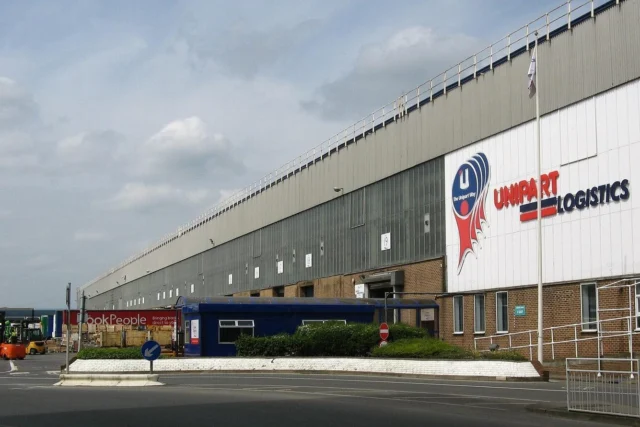
A 30-Day Monsoon Readiness Plan for Pune and PCMC Commercial Premises
A four-week pre-monsoon plan for offices, warehouses, factories and retail in Pune and PCMC, plus the four failure points behind…
Learn more
9 Renovation Mistakes That Cause Leaks in Pune Homes
The nine ordinary interior renovation decisions that create leaks in Pune flats within a year, and the sequence that avoids…
Learn more
Building a New Home in Pune? The 7 Waterproofing Stages You Cannot Skip
The seven construction stages where waterproofing has to happen in a new Pune home, what to ask for at each,…
Learn moreExplore related services and areas
Our services
- Terrace Waterproofing
- Roof Waterproofing
- Bathroom Waterproofing
- Wall Waterproofing
- Basement Waterproofing
- Water Tank Waterproofing
- Balcony Waterproofing
- Swimming Pool Waterproofing
Specialist treatments
- Terrace Waterproofing
- Bathroom & Toilet Waterproofing
- Basement & Underground Tank Waterproofing
- External & Internal Wall Leakage Treatment
- PU & Epoxy Coating Waterproofing
- Injection Grouting (Pressure / Chemical)
- Dampness & Seepage Treatment
- Monsoon Pre-Inspection & Leakage Detection