
Key points at a glance
- The waterproofing bill is rarely the real cost of a commercial leak — stock, equipment, downtime and insurance excess usually exceed it.
- Four areas cause most commercial monsoon failures: blocked drainage, roof penetrations, facade joints and basement sumps.
- Full systems need dry substrate and curing time, so scope in October to May and use the pre-monsoon month for verification, not construction.
- Metal roofs fail at fasteners, laps and penetrations, not in the middle of a sheet — inspect the details, not the area.
- Most commercial work can be phased into nights, weekends or zones without shutting the premises, if it is scoped that way from the start.
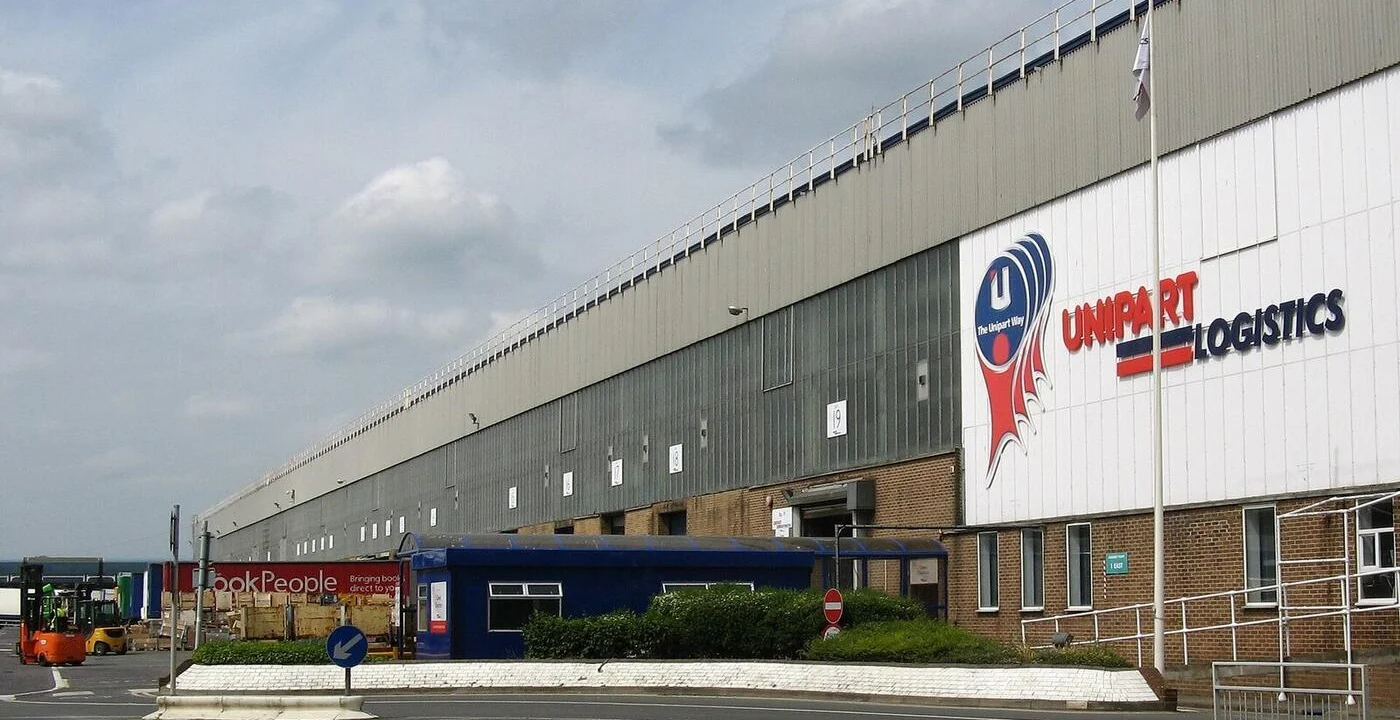
For an office in Kharadi, a retail unit on FC Road, a warehouse in Chakan or a plant in Bhosari, a monsoon leak is not a maintenance item — it is stock, equipment, downtime and, in regulated premises, a compliance question. This is a thirty-day plan that works backwards from the first week of June, plus the four failure points that account for most of what we get called to.
Week 1 — Survey and scope
- Walk the roof with the drawings. Photograph every penetration: vents, ducts, cable trays, solar mounts, signage frames, AC platforms.
- Log every internal water stain with a location reference, whether or not it is active. Old stains map the paths.
- Inspect the basement or lower ground for efflorescence, floor-to-wall junction staining and sump condition.
- Check the facade for open joints, failed sealant and cracked cladding fixings.
- Rank by business impact, not by size of patch. A small leak over a server rack outranks a large one over a corridor.
Week 2 — Drainage, which is where the cheap wins are
- Clear every roof outlet, gutter, downtake and storm drain on the plot.
- Test each downtake with a hose and confirm it discharges where it is supposed to.
- Clear and test the basement sump; confirm the pump runs, and that the standby runs too.
- Check that surface water around the plinth drains away from the building rather than towards it.
- Assign a named person to re-clear outlets after every heavy spell through the season.
Week 3 — Repairs, prioritised
| Failure point | Typical symptom | Pre-monsoon action |
|---|---|---|
| Blocked drainage | Ponding on the roof; water backing up at a low point | Clear, test, and assign ongoing responsibility |
| Roof penetrations | Drips directly below a vent, duct, mount or fastener line | Reseal each penetration individually; check fastener washers |
| Facade and expansion joints | Damp on internal face of an external wall after wind-driven rain | Rake out and replace flexible sealant |
| Basement and sump | Seepage at the floor-to-wall junction; standing water | Negative-side treatment, plus a tested pump and standby |
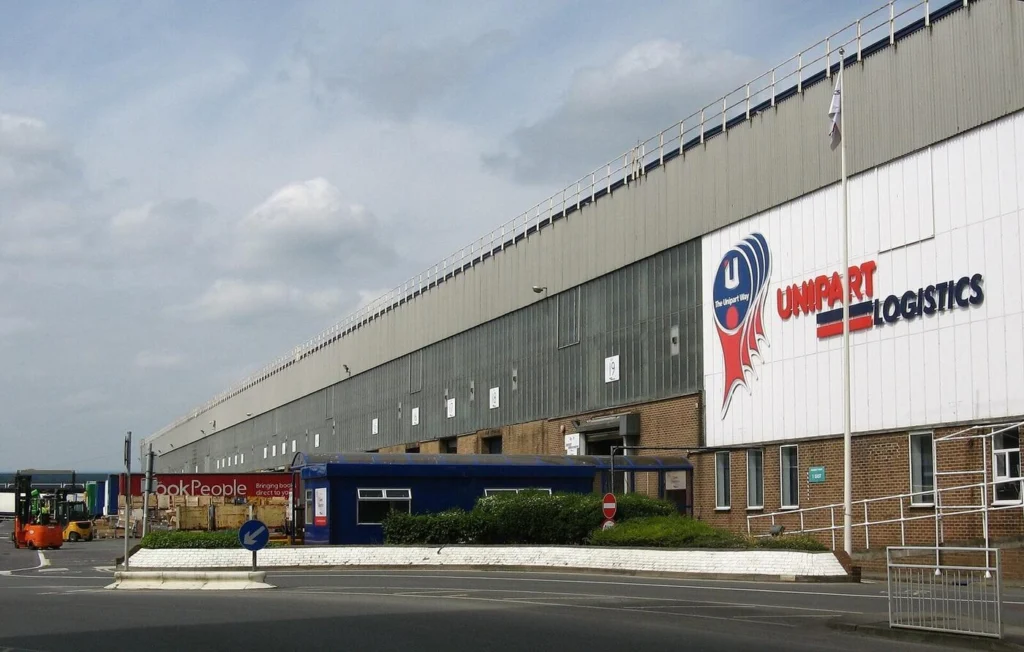
Metal roofs deserve a specific note, because they are so common across Chakan, Bhosari, Ranjangaon and Talegaon. They almost never fail in the middle of a sheet. They fail at fasteners whose washers have perished, at end laps and side laps, and at penetrations cut in after installation for a new duct or cable route. Inspect the details, not the area. Our comparison of metal and RCC industrial roofs covers the systems that suit each.
Facility manager scoping pre-monsoon works?
Week 4 — Test, document and hand over
- Ponding-test what has been treated, and record the result with dates.
- Run the sump pumps under load, including the standby, and log it.
- Update the drawing set with what was actually done and where.
- Write the wet-weather protocol: who checks what after heavy rain, who they call, and what the escalation is.
- File the warranty documents where the next facility manager will find them.
- Photograph the finished condition as the baseline for next year’s survey.
Scoping it so the business keeps running
- Say up front that a shutdown is not available. Terrace and external work rarely needs one; internal work can be phased into nights, weekends or zones — but only if the method statement is built that way from the start.
- Get a written scope with quantities, not a lump sum. It is the only way three quotations become comparable. Our quotation reading checklist sets out what should be itemised.
- Ask what the warranty actually covers — treated area, term, exclusions, and whether it survives a change of occupier.
- Book the real work out of season. October to May gives dry substrate, proper curing and better scheduling around trading hours.
Need a pre-monsoon survey across multiple sites?
Leakproofs by Betterwork covers every part of Pune and Pimpri-Chinchwad. Talk to an engineer, not a call centre — describe the leak on the phone and we will tell you straight away whether it needs a site visit.
Call +91 96376 90999 → WhatsApp a Photo Try the Cost Calculator
Sector notes
- Warehousing and logistics. Racking cannot move easily, so zone the work and treat the roof from above wherever possible. See warehouse waterproofing.
- Manufacturing. Water near electrical panels and finished goods is a safety issue before it is a maintenance one. See factory waterproofing.
- Offices and IT parks. The risk concentrates over server rooms, UPS rooms and cable routes, not over open floor. See office building waterproofing.
- Retail and hospitality. Basement stock areas and podium decks over trading floors carry the highest consequence. See commercial complex waterproofing.
- Healthcare and education. Access windows are narrow and fixed, so the programme has to be built around term dates and clinical hours from the outset.
Leakproofs by Betterwork carries out pre-monsoon surveys and scheduled waterproofing for commercial, industrial and institutional premises across Pune and Pimpri-Chinchwad, working to a written scope and handing over test records and warranty documentation at completion.
Frequently asked questions
How should a commercial building prepare for the monsoon?
Work backwards from the first week of June. Survey and scope in week one, clear all drainage in week two, complete repairs in week three, and test plus document in week four. Drainage, roof penetrations, facade joints and basement sumps are the four areas that matter most.
What is the cost of water damage to a business?
The waterproofing repair is almost never the largest number. Lost stock, damaged equipment, downtime, insurance excess and, in regulated premises, compliance exposure usually exceed the repair cost by a wide margin.
When should commercial waterproofing be scheduled in Pune?
Between October and May. Full systems need a dry, prepared substrate and a curing window, and out-of-season work also lets you schedule around trading hours instead of around the weather.
Can waterproofing be done without shutting the premises?
Usually yes. Terrace and external work rarely needs a shutdown at all, and internal work can be phased into nights, weekends or zone-by-zone access. Say so at the scoping stage so the method statement is built around it.
Schedule a free site inspection in Pune or Pimpri-Chinchwad
Get the site surveyed and scoped well before June. An engineer from Leakproofs by Betterwork visits at a time that suits you, deep-scans the affected area, traces where the water actually enters, and hands you a written report with a fixed price. Eligible completed work carries a written 10-year applicator warranty on the treated area, water-tested before the certificate is issued.
Related guides
9 Renovation Mistakes That Cause Leaks in Pune Homes
The nine ordinary interior renovation decisions that create leaks in Pune flats within a year, and the sequence that avoids…
Learn more
What Leaks at 5, 15 and 30 Years: A Building Age Timeline for Pune and PCMC
Buildings do not leak randomly. What fails at 5, 15 and 30 years in Pune and PCMC, what is still…
Learn more
Building a New Home in Pune? The 7 Waterproofing Stages You Cannot Skip
The seven construction stages where waterproofing has to happen in a new Pune home, what to ask for at each,…
Learn moreExplore related services and areas
Our services
- Terrace Waterproofing
- Roof Waterproofing
- Bathroom Waterproofing
- Wall Waterproofing
- Basement Waterproofing
- Water Tank Waterproofing
- Balcony Waterproofing
- Swimming Pool Waterproofing
Specialist treatments
- Terrace Waterproofing
- Bathroom & Toilet Waterproofing
- Basement & Underground Tank Waterproofing
- External & Internal Wall Leakage Treatment
- PU & Epoxy Coating Waterproofing
- Injection Grouting (Pressure / Chemical)
- Dampness & Seepage Treatment
- Monsoon Pre-Inspection & Leakage Detection