
Key points at a glance
- Waterproofing is a sequence of seven windows during construction, and each window closes permanently when the next trade starts.
- Positive-side foundation treatment is impossible once backfilling is done; a sunk slab cannot be treated once it is filled and tiled.
- Every wet area and terrace should be ponding-tested for 48 to 72 hours before it is covered. No test, no proof.
- Waterproofing is a small single-digit share of build cost and one of the largest causes of post-handover complaints.
- Photograph every stage before it is covered. The photograph is the only record that survives the finishing trades.
Whether you are building a bungalow on a plot near Bavdhan or buying into a tower in Kharadi, the waterproofing of a new building is decided during construction and cannot be meaningfully revisited afterwards. Each stage below has a window; when that window closes, the only remaining options are more expensive and less effective. This is what should be happening, and what to ask for at each point.
Stage 1 — Foundation and plinth, before backfilling
- The external face of the foundation and the plinth beam is treated while it is still accessible from outside.
- This is positive-side treatment: it works with the water pressure rather than against it, which is always the stronger position.
- Once the earth goes back, this face is gone for the life of the building.
- Ask for: photographs of the treated face before backfill, and the product datasheet.
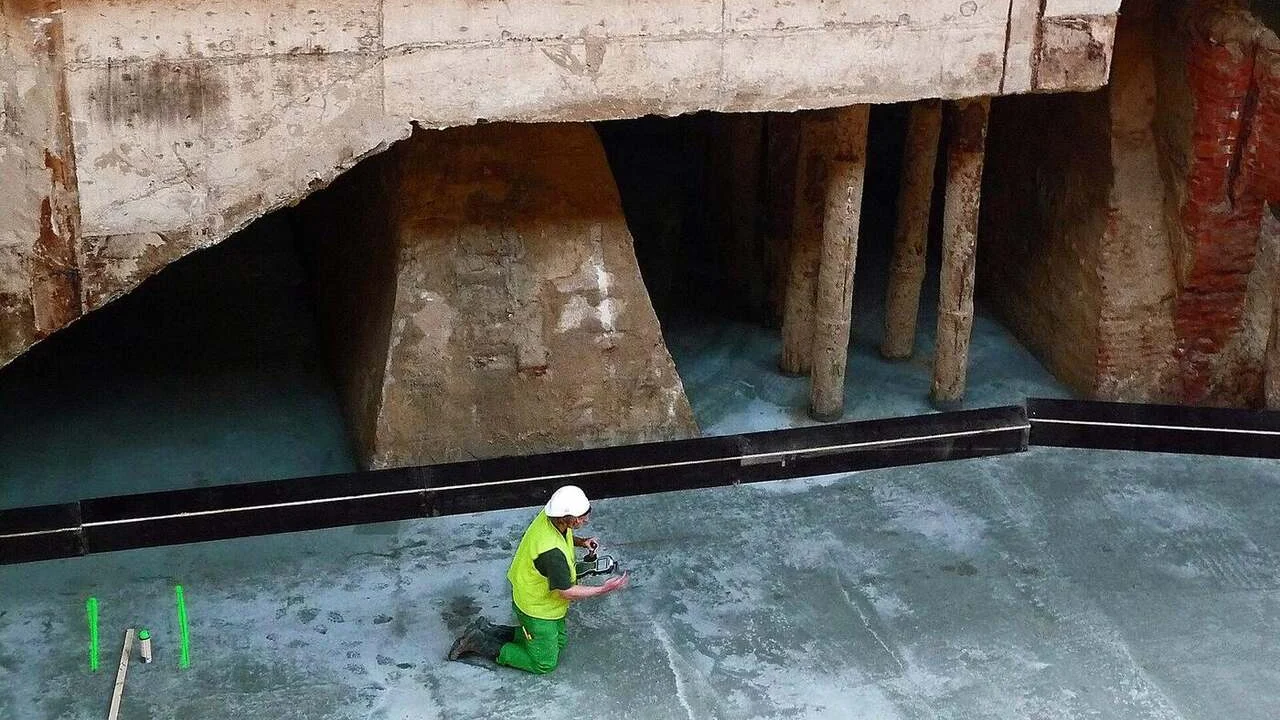
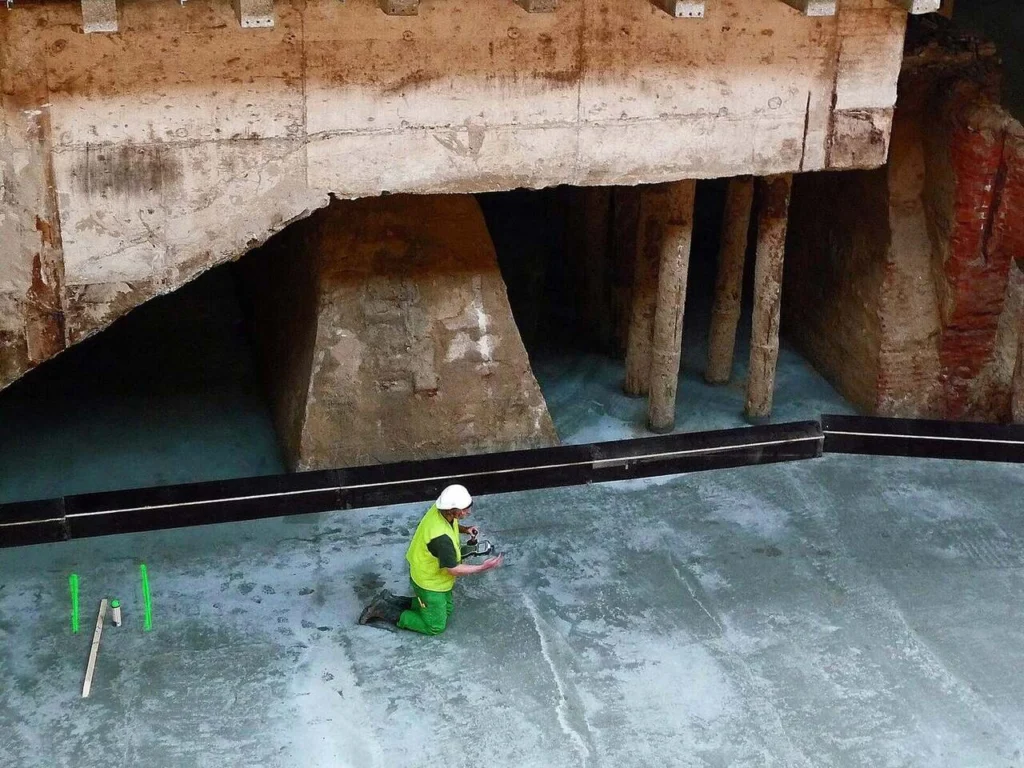
Stage 2 — Retaining walls, rafts and basements
- Basement and stilt parking in Pune sits in ground that saturates every monsoon, so this stage carries real hydrostatic load.
- Construction joints between raft and wall need waterstops cast in, not sealant applied later.
- Crystalline admixtures or coatings are commonly specified here because they keep working within the concrete itself.
- Ask for: the joint detail drawing, and confirmation that waterstops were installed.
Stage 3 — Sunk slabs in bathrooms and utilities
- The single most common source of post-handover complaints in Pune flats.
- The membrane must be turned up the surrounding walls — 150 mm is a common minimum, more in a shower zone.
- Every pipe penetration through the sunk slab needs individual sealing. Penetrations, not open floor area, are where these fail.
- Ask for: a 48-hour ponding test with the ceiling below observed, before any filling.
Building or developing in Pune or PCMC?
Stage 4 — Balconies, utility areas and open terraces
- Finish level must sit below the internal floor level, with a positive fall to a drain.
- The door threshold detail is the specific point that causes most balcony ingress in Pune high-rises.
- Treat these at the same time as the sunk slabs; they share the same trades and the same window.
Stage 5 — The main terrace
- Carried out after the slab has cured properly, on a clean, dry, prepared surface.
- Falls are set towards the outlets before the system goes down, not corrected afterwards with screed.
- The treatment is turned up the parapet and terminated in a groove, not stopped at the junction.
- Outlets are dressed into the system rather than sealed around afterwards.
- Ask for: a 72-hour ponding test and dry film thickness records. Our guide to DFT and coverage explains why the number matters.
Stage 6 — External plaster and facade
- Pune’s monsoon-facing elevations take driving rain for weeks at a stretch, and porous plaster absorbs it.
- A facade water repellent or elastomeric coating starts at roughly ₹35 per sq ft and is the cheapest square-foot protection in the whole build.
- Drip grooves over every external opening, and outward-sloping sills, belong to this stage.
Stage 7 — Joints, penetrations and everything that passes through
- Expansion and construction joints get flexible systems, because they are designed to move.
- Every service that penetrates a treated surface — plumbing, conduit, AC lines, railing bases drilled into a finished terrace — is a breach and needs sealing as one.
- Railing posts drilled through a completed terrace membrane are one of the most common own goals in Indian construction.
Want an independent check at each stage?
Leakproofs by Betterwork covers every part of Pune and Pimpri-Chinchwad. Talk to an engineer, not a call centre — describe the leak on the phone and we will tell you straight away whether it needs a site visit.
Call +91 96376 90999 → WhatsApp a Photo Try the Cost Calculator
What to insist on, in writing
- Stage photographs before each stage is covered by the next trade.
- Ponding test records with dates, durations and the observed result.
- Product datasheets and batch details for what was actually applied, not what was quoted.
- Coverage and DFT records, which is how you know the specified thickness was really achieved.
- A written warranty stating the treated area, the term and the exclusions.
For self-build homes and small developers across Pune and Pimpri-Chinchwad, Leakproofs by Betterwork works stage by stage against a written specification and hands over the test records at completion. Developers usually start at our new residential project page; individual plot owners more often at terrace waterproofing treatment.
Frequently asked questions
At what stage should waterproofing be done in a new house?
In seven stages: the foundation and plinth before backfilling, the retaining walls and basement raft, the sunk slabs of wet areas before filling, balconies and utility areas at the same time, the terrace after the slab has cured, the external plaster and facade, and finally the joints and penetrations. Each has a window that closes once the next trade arrives.
Can waterproofing be added after construction is complete?
Some of it can, but never as cheaply or as effectively. Positive-side treatment on a foundation is impossible once backfilled, and a sunk slab cannot be treated once it is filled and tiled. Retrofitting costs several times what the original stage would have.
What is a ponding test and why does it matter?
The treated area is flooded to a set depth and held, typically for 48 to 72 hours, with the underside watched for any sign of moisture. It is the only way to know the system works before it is covered up.
How much does waterproofing add to construction cost?
A small single-digit percentage of the build cost, against being one of the largest causes of post-handover defect complaints. It is one of the highest-return line items in a residential budget.
Schedule a free site inspection in Pune or Pimpri-Chinchwad
Get the stages specified and tested before they are covered up. An engineer from Leakproofs by Betterwork visits at a time that suits you, deep-scans the affected area, traces where the water actually enters, and hands you a written report with a fixed price. Eligible completed work carries a written 10-year applicator warranty on the treated area, water-tested before the certificate is issued.
Related guides

A 30-Day Monsoon Readiness Plan for Pune and PCMC Commercial Premises
A four-week pre-monsoon plan for offices, warehouses, factories and retail in Pune and PCMC, plus the four failure points behind…
Learn more
9 Renovation Mistakes That Cause Leaks in Pune Homes
The nine ordinary interior renovation decisions that create leaks in Pune flats within a year, and the sequence that avoids…
Learn more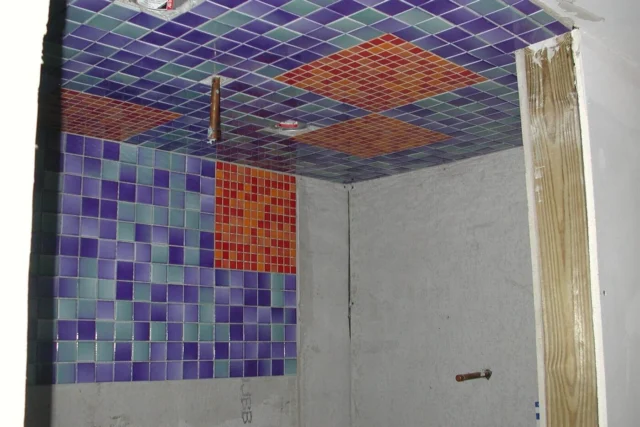
Shifting to a New Home in the Monsoon: A Pune Checklist Before the Truck Arrives
What to test, treat and pack before shifting into a new home during the Pune monsoon, and the repairs that…
Learn moreExplore related services and areas
Our services
- Terrace Waterproofing
- Roof Waterproofing
- Bathroom Waterproofing
- Wall Waterproofing
- Basement Waterproofing
- Water Tank Waterproofing
- Balcony Waterproofing
- Swimming Pool Waterproofing
Specialist treatments
- Terrace Waterproofing
- Bathroom & Toilet Waterproofing
- Basement & Underground Tank Waterproofing
- External & Internal Wall Leakage Treatment
- PU & Epoxy Coating Waterproofing
- Injection Grouting (Pressure / Chemical)
- Dampness & Seepage Treatment
- Monsoon Pre-Inspection & Leakage Detection