
Key findings at a glance
- November to April is the reliable working window in Pune; the fortnight around monsoon onset is the worst time to start.
- Almost every coating and membrane needs a dry substrate — the commonest cause of early failure is applying over damp concrete.
- Allow four to six weeks between completion and expected rainfall, so a failed water test can still be corrected.
- Injection grouting is the exception: it works on wet structures and is often best done while the leak is active.
- A compressed programme that cuts curing intervals produces a failure that costs more than waiting a season.
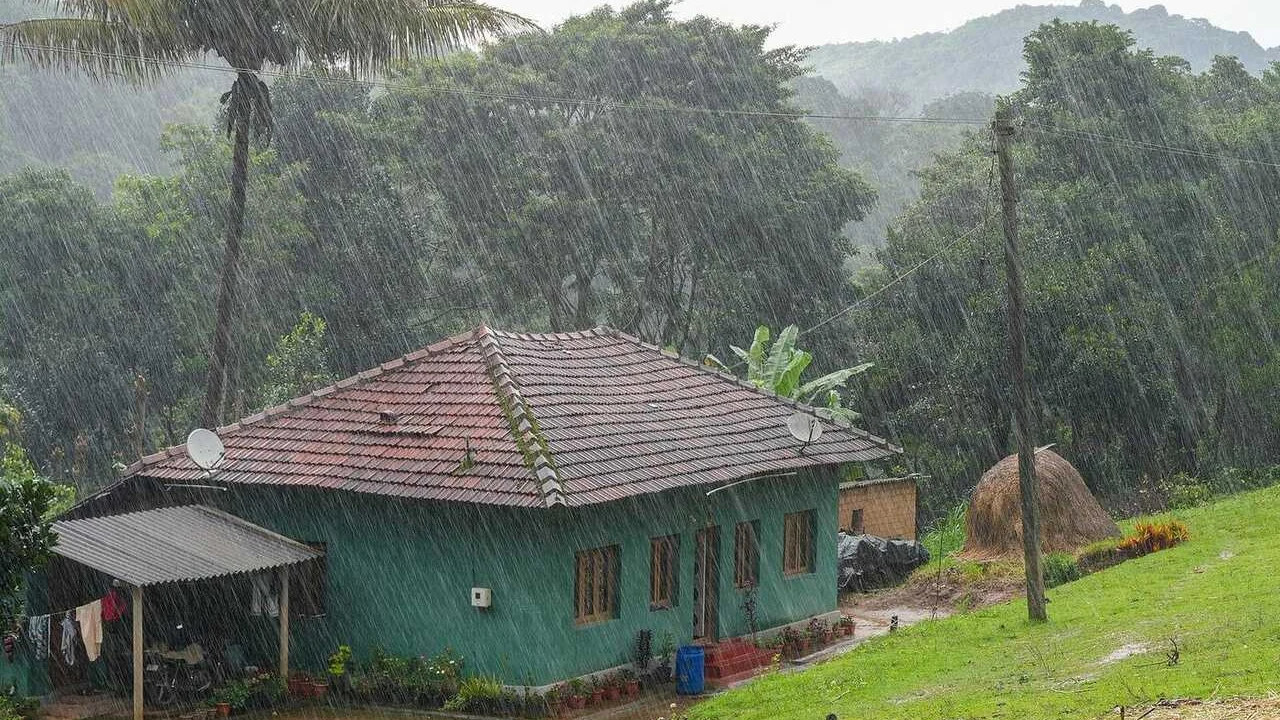
Pune receives the large majority of its rainfall in the south-west monsoon between June and September, and almost all waterproofing enquiries arrive in the two weeks either side of the onset. That timing is understandable and it is the single most common reason work booked in a hurry fails.
Why the calendar matters more than it looks
Three technical constraints drive the whole scheduling question.
Substrate moisture
Almost every coating and membrane requires a dry substrate. PU and epoxy systems are the least tolerant — applying either over concrete that has not dried produces blistering and delamination, and no amount of workmanship compensates. A slab that has been rained on needs days of dry weather to release that moisture, and during the monsoon it rarely gets them.
Curing intervals
Systems are specified with a stated interval between coats and a stated full-cure period. Those intervals assume the surface stays dry and undisturbed. Rain during the curing window at best delays the programme and at worst ruins the coat that was applied.
The margin for a failed test
A proper handover includes a water test. If the test finds a defect — and finding one is a sign the process is working — there needs to be time to correct it and retest. Work finishing the week before the rains has no such margin, so the test either gets skipped or its failure gets absorbed by the first monsoon.
The annual planning calendar
| Period | What to do | Why then |
|---|---|---|
| June – September | Observe and record. Photograph every leak as it appears, with dates. | The building is telling you where it fails; this evidence is invaluable later |
| October | Post-monsoon inspection and survey while evidence is fresh | Damp is still traceable; contractors have capacity |
| November – December | Obtain quotations, tender if a society, award | Time to compare properly rather than under pressure |
| January – March | Execute the work | Dry substrate, reliable curing, no weather interruption |
| April | Water test, correct defects, retest, hand over | Comfortable margin before the rains |
| May | Clear rainwater outlets, gutters and downpipes; final check | The maintenance step that protects the investment |
The October entry is the one most often skipped and the most valuable. A survey immediately after the monsoon catches the building at its wettest, when moisture patterns are still clear and traceable. By February the same wall may read dry and give up nothing, which makes diagnosis considerably harder.
Not sure what your property needs?
Book a free deep-scan inspection. We map the moisture, trace where the water actually enters, and give you a written report with a fixed estimate — at no cost and with no obligation.
What can be done during the monsoon
Not everything has to wait. Three categories of work are viable or even preferable during the rains:
- Injection grouting. PU resins react with water and seal active leaks. Injection during the monsoon has a real advantage: the leak is running, so it can be traced and its treatment verified immediately.
- Crystalline treatment. Requires a damp substrate to react, so monsoon conditions suit it.
- Diagnostic survey. Thermal and moisture surveys are most productive when the building is actively wet.
Targeted remedial work now and full treatment after the monsoon is frequently the right plan when the window has already gone, and an honest contractor will propose it rather than agreeing to coat a wet terrace in July.
The pressure to compress, and how to resist it
The most damaging thing that happens to waterproofing programmes is compression. A society decides in late May, a contractor is appointed in the first week of June, and the programme is squeezed to finish before the rains. Curing intervals are cut because there is no room for them, coats go on over surfaces that have not properly dried, and the water test disappears from the scope because there is no time.
The resulting work frequently fails in its first or second monsoon, and the cost of redoing it exceeds the cost of having waited. If a committee reaches late May without an award, deferring to October and doing targeted remedial work in the interim is the better decision — and it is worth putting that recommendation in writing so it is on record.
The one thing to do in May regardless
Whether or not any waterproofing work is planned, clear the rainwater outlets, gutters and downpipes before the rains. Blocked outlets cause ponding, ponding converts minor defects into leaks, and blocked outlets are also the most commonly invoked exclusion in a waterproofing warranty. It costs almost nothing and it protects everything else.
Want the survey done while the evidence is fresh?
Frequently asked questions
When is the best time for waterproofing in Pune?
The dry months, roughly November to April. The substrate is dry, curing is reliable, and there is no pressure to compress the programme.
Can waterproofing be done during the monsoon?
Injection grouting, crystalline treatment and diagnostic surveys can. Coatings and membranes generally cannot, because they need a dry substrate.
How far ahead of the rains should work finish?
Four to six weeks, so there is time to water-test, find a defect and correct it before the weather does.
Book your free waterproofing inspection
Leakproofs by Betterwork works across Pune and Pimpri-Chinchwad. An engineer visits at a time that suits you, deep-scans the affected area, and hands you a written report and fixed price. Eligible work carries a 10-year warranty.
Related guides
A 30-Day Monsoon Readiness Plan for Pune and PCMC Commercial Premises
A four-week pre-monsoon plan for offices, warehouses, factories and retail in Pune and PCMC, plus the four failure points behind…
Learn more
What Leaks at 5, 15 and 30 Years: A Building Age Timeline for Pune and PCMC
Buildings do not leak randomly. What fails at 5, 15 and 30 years in Pune and PCMC, what is still…
Learn more
Damp in a Rented Flat: Tenant and Landlord Responsibilities in Pune
Who fixes damp in a rented Pune flat, what tenants must do on day one to protect the deposit, and…
Learn moreExplore related services and areas
Our services
- Terrace Waterproofing
- Roof Waterproofing
- Bathroom Waterproofing
- Wall Waterproofing
- Basement Waterproofing
- Water Tank Waterproofing
- Balcony Waterproofing
- Swimming Pool Waterproofing
Specialist treatments
- Terrace Waterproofing
- Bathroom & Toilet Waterproofing
- Basement & Underground Tank Waterproofing
- External & Internal Wall Leakage Treatment
- PU & Epoxy Coating Waterproofing
- Injection Grouting (Pressure / Chemical)
- Dampness & Seepage Treatment
- Monsoon Pre-Inspection & Leakage Detection