
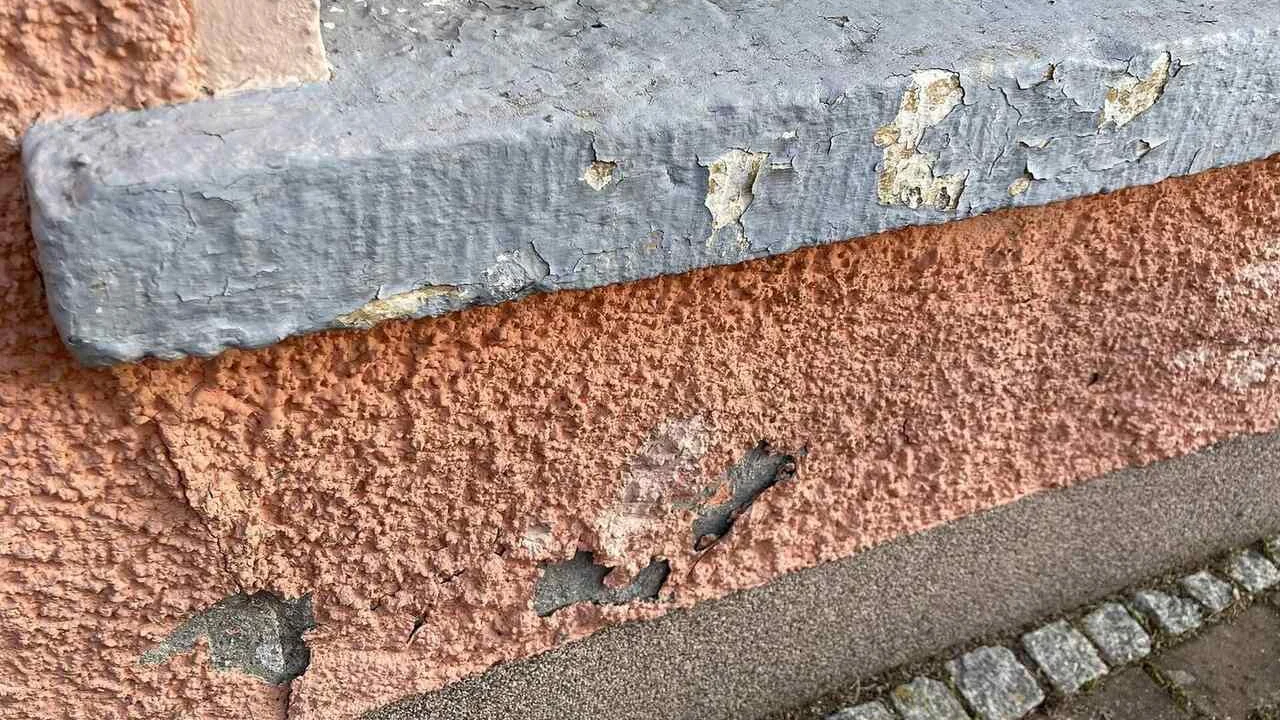
Key points at a glance
- Structural damp is the landlord’s; ventilation and prompt reporting are the tenant’s. Almost every dispute is really an argument about which one it was.
- Report damp in writing on the day you see it. A dated report is the single thing that protects a tenant’s deposit at handover.
- A moisture survey settles the leak-versus-condensation question objectively, which is why both sides tend to accept it.
- Never let a tenant pay for structural waterproofing without written approval from the owner first.
- For landlords with several units, an annual pre-monsoon check across the portfolio costs less than one emergency repair plus one lost tenant.
Pune and Pimpri-Chinchwad have one of the largest rented-housing markets in the country, concentrated around Hinjewadi, Kharadi, Wakad, Baner and Magarpatta. Every monsoon the same conversation repeats in thousands of flats: water is coming in, and nobody is sure whose problem it is. This guide sets out the split that most leave and licence agreements assume, and what each side should actually do.
The default split
| Issue | Normally the landlord | Normally the tenant |
|---|---|---|
| Terrace or external wall seepage | Yes — structural repair | Report it promptly in writing |
| Failed bathroom waterproofing | Yes | Report it; keep the drain clear |
| Concealed plumbing leak | Yes | Report it the day it appears |
| Blocked floor trap or balcony drain | Only if structural | Yes — routine upkeep |
| Condensation mould from no ventilation | No | Yes — ventilate and clean |
| Repainting after a leak is fixed | Usually yes, once dry | Not before the source is fixed |
| Society-level terrace work | Yes — owner pays the levy | No |
Two caveats. First, this is the common practice, not a statute — your registered leave and licence agreement is what binds. Second, in a co-operative society the owner, not the occupant, is the member, so anything requiring a society decision goes through the owner regardless of who lives there.
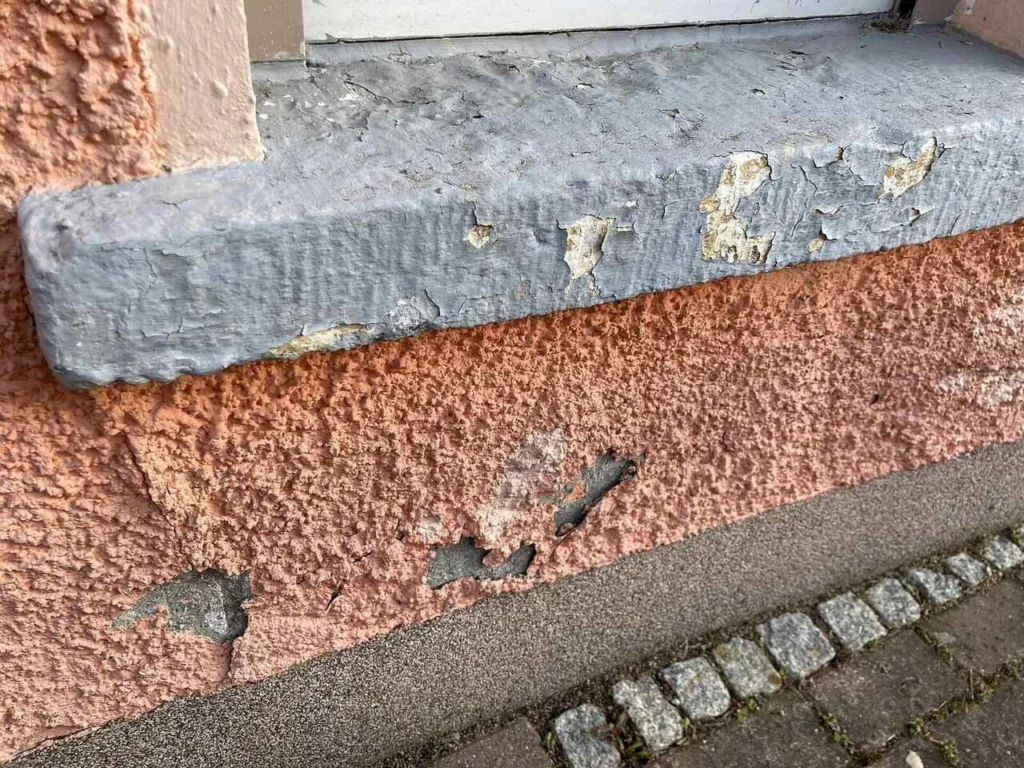
If you are the tenant
- Report in writing on day one. Message and email both. A verbal mention to a caretaker is not a record.
- Photograph weekly. A dated sequence showing the patch growing establishes that you reported it early and it was not addressed.
- Keep ventilating. This protects you from the counter-argument that the damp was condensation caused by a closed flat.
- Do not repaint it yourself. Covering the evidence helps nobody, least of all your deposit.
- Move furniture off the affected wall and leave an air gap. Mould on the back of a wardrobe becomes your problem at handover.
- Get written approval before spending anything. If you arrange the repair, have the quotation approved by the owner in writing, in advance.
Landlord and tenant disagreeing about the cause?
If you are the landlord
- Act on the first report. A ₹15,000 wall treatment in July becomes a ₹60,000 repair plus a vacant flat by the following June.
- Inspect between tenancies. An empty flat is the only time you can treat a wall or a bathroom without negotiating access, rent reduction or working hours.
- Schedule pre-monsoon, not mid-monsoon. Full systems need dry substrate and a curing window. Work booked in October to May is faster, better and usually cheaper.
- Get a written report before repairing. It tells you whether the defect is yours at all, or the society’s.
- Keep the paperwork. A treated flat with a warranty document is easier to let, and lets at a better rent.
Landlord in another city? We can inspect and report.
Leakproofs by Betterwork covers every part of Pune and Pimpri-Chinchwad. Talk to an engineer, not a call centre — describe the leak on the phone and we will tell you straight away whether it needs a site visit.
Call +91 96376 90999 → WhatsApp a Photo Try the Cost Calculator
How to settle the leak-versus-condensation argument
Most tenant–landlord damp disputes come down to one question: is this an active leak, or is it condensation from an unventilated room? The two look similar on a wall and are completely different in law and in cost. A moisture survey answers it objectively — a leak shows a wet core and a defined path, condensation shows a uniform surface film with a dry substrate behind it. Because the finding is measured rather than argued, both sides generally accept it. Our guide on telling rising damp, seepage and condensation apart covers the distinctions in detail.
For owners with more than one property
If you hold several flats across Pune and PCMC, treat this as portfolio maintenance rather than a series of emergencies. An annual pre-monsoon check across every unit, scheduled between October and May, costs less than one emergency repair combined with one tenant who does not renew. Property managers, co-living operators and serviced-apartment owners generally scope this the same way as our apartment waterproofing and residential building clients do.
Leakproofs by Betterwork works with owners, tenants and managing agents across Pune and Pimpri-Chinchwad, and issues the same written report to whoever commissions it.
Frequently asked questions
Is the landlord or the tenant responsible for damp in a rented flat?
Structural repairs — leaking terrace, external wall seepage, failed bathroom waterproofing, plumbing inside the walls — are normally the landlord’s. Day-to-day upkeep such as ventilation, keeping drains clear and reporting problems promptly is normally the tenant’s. The leave and licence agreement governs, so check what yours actually says.
Can a tenant deduct waterproofing costs from the rent?
Only if the agreement allows it or the landlord agrees in writing beforehand. Get written consent and a quotation approved before any work starts, otherwise recovering the cost becomes a dispute.
What should a tenant do when damp appears?
Photograph it with a date, report it to the landlord in writing immediately, keep ventilating the room, and do not repaint over it. Prompt written reporting is what protects the deposit at the end of the tenancy.
Does mould in a rented flat count as a landlord problem?
If the mould is caused by an active leak or by structural damp, it is the landlord’s to fix. If it is pure condensation in an unventilated room, it is usually treated as an occupancy issue. A moisture survey distinguishes the two objectively.
Schedule a free site inspection in Pune or Pimpri-Chinchwad
Settle it with a measured report rather than an argument. An engineer from Leakproofs by Betterwork visits at a time that suits you, deep-scans the affected area, traces where the water actually enters, and hands you a written report with a fixed price. Eligible completed work carries a written 10-year applicator warranty on the treated area, water-tested before the certificate is issued.
Related guides

A 30-Day Monsoon Readiness Plan for Pune and PCMC Commercial Premises
A four-week pre-monsoon plan for offices, warehouses, factories and retail in Pune and PCMC, plus the four failure points behind…
Learn more
9 Renovation Mistakes That Cause Leaks in Pune Homes
The nine ordinary interior renovation decisions that create leaks in Pune flats within a year, and the sequence that avoids…
Learn more
What Leaks at 5, 15 and 30 Years: A Building Age Timeline for Pune and PCMC
Buildings do not leak randomly. What fails at 5, 15 and 30 years in Pune and PCMC, what is still…
Learn moreExplore related services and areas
Our services
- Terrace Waterproofing
- Roof Waterproofing
- Bathroom Waterproofing
- Wall Waterproofing
- Basement Waterproofing
- Water Tank Waterproofing
- Balcony Waterproofing
- Swimming Pool Waterproofing
Specialist treatments
- Terrace Waterproofing
- Bathroom & Toilet Waterproofing
- Basement & Underground Tank Waterproofing
- External & Internal Wall Leakage Treatment
- PU & Epoxy Coating Waterproofing
- Injection Grouting (Pressure / Chemical)
- Dampness & Seepage Treatment
- Monsoon Pre-Inspection & Leakage Detection